Effects of Eating Pace on Gut Hormones
An evidence-based exploration of how eating speed influences hormonal responses during digestion
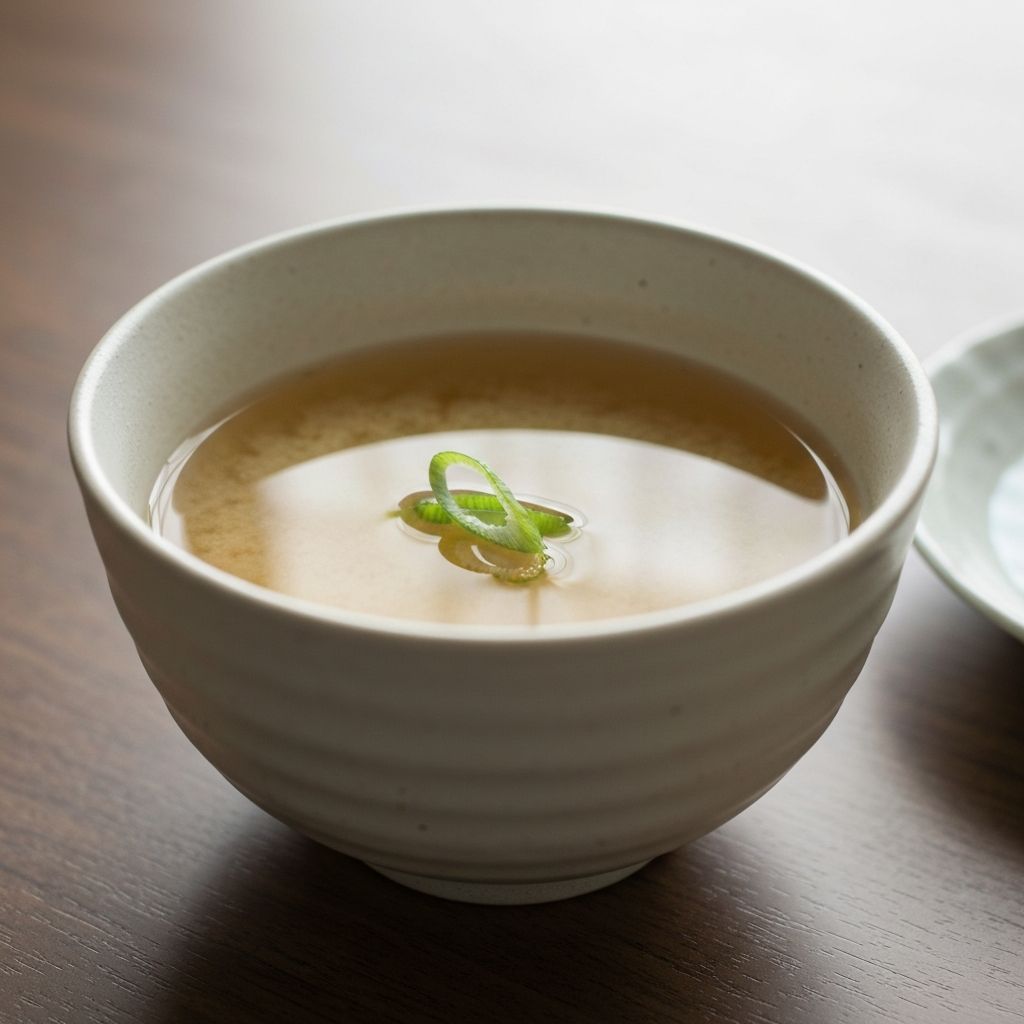
Overview of Eating Pace Research
The speed at which food is consumed represents a measurable physiological variable with documented effects on digestive processes. Eating pace influences the timing and magnitude of hormonal responses related to nutrient sensing and satiation. Research demonstrates that eating at different speeds produces distinct physiological response patterns.
Eating pace can be quantified in several ways: seconds per bite, minutes per meal, or food volume consumed per unit time. These measurements show substantial variation among individuals and within individuals across different eating occasions. Contextual factors including food properties, eating environment, and individual factors influence habitual eating pace.
Hormonal Response Timing
Slower eating allows more time for nutrient detection mechanisms in the digestive tract to activate hormone secretion. The intestinal mucosa contains chemoreceptors that detect specific nutrients including glucose, amino acids, and fats. The activation of these receptors triggers release of satiation-related hormones including cholecystokinin (CCK), glucagon-like peptide-1 (GLP-1), and peptide YY.
When food is consumed rapidly, fewer sensory signals reach the brain before substantial quantities of food have been ingested. This temporal mismatch can result in satiation signals arriving after total intake has already been large. The timing relationship between food intake and hormone release appears relevant to satiation feedback.
Cholecystokinin and Satiation
CCK secretion increases in response to dietary fat and protein detection in the small intestine. This hormone signals satiation and reduces eating motivation. Slower eating provides more opportunity for CCK release in response to smaller meal portions, potentially generating satiation signals earlier in the eating process.
Individual responses to CCK vary considerably based on receptor sensitivity and other factors. The dose-response relationship between meal composition and CCK release shows substantial individual variation. Faster eating may reduce the total CCK response to a given meal compared to slower consumption of the same food.
Glucose-Dependent Hormones
Glucose absorption triggers insulin secretion and also stimulates GLP-1 release from intestinal cells. These hormones contribute to satiation and glucose homeostasis. Eating pace influences the rate of glucose absorption and consequently the timing and magnitude of these hormonal responses.
Slower eating of carbohydrate-containing foods may result in more gradual glucose absorption and gentler insulin response curves. Rapid consumption of sugary or refined carbohydrate foods produces steeper glucose and insulin rises. These different absorption patterns reflect the time course of nutrient delivery to the small intestine.
Gastric Distention and Mechanical Signalling
The stomach monitors its contents through mechanical stretch receptors in the gastric wall. This mechanoreceptive signalling provides feedback regarding food volume and rate of stomach emptying. Slower eating distributes food consumption over longer time periods, affecting the rate of stomach distention.
The relationship between gastric stretch and satiation involves neural signalling through the vagus nerve. Greater stomach distention increases afferent signalling to the brain. Eating pace influences this signalling pattern by changing the rate at which the stomach fills.
Nutrient Absorption Dynamics
Eating pace affects the rate at which nutrients enter the bloodstream and become available to body tissues. Slower eating results in more sustained nutrient absorption across extended time periods. Rapid eating compresses nutrient absorption into shorter timeframes, producing higher peak concentrations of absorbed nutrients.
The temporal pattern of nutrient availability influences satiation hormones, glucose levels, and other metabolic signals. Whether these differences in temporal distribution affect total energy utilisation or other metabolic outcomes remains an area of ongoing research.
Individual and Contextual Variation
The magnitude of hormonal responses to eating pace varies substantially among individuals. Factors including baseline digestive hormone sensitivity, food composition, gastric anatomy, and individual metabolic characteristics create variation. No uniform effect of eating pace applies identically across all people.
Eating pace varies depending on food type, eating context, social factors, and individual differences. Some individuals habitually eat quickly, while others typically eat at slower rates. These individual patterns represent stable characteristics but also show situation-dependent variation.
Research Complexity and Outstanding Questions
While eating pace demonstrably affects hormonal timing and magnitude, the practical significance of these effects for overall metabolic outcomes and eating behaviour remains incompletely understood. Controlled research settings differ substantially from real-world eating environments, potentially limiting the applicability of findings.
The relationship between eating pace and total intake varies depending on numerous factors. Some studies show associations between eating speed and consumption quantity, while other investigations report minimal effects. This inconsistency reflects the multifactorial nature of eating behaviour and satiation.
Important Context: This article presents evidence-based information about eating pace and hormonal responses. Individual responses vary considerably, and this content does not provide guidance for personal eating practices. The effects documented in controlled research may not translate directly to everyday eating situations. Consult qualified healthcare professionals for questions about your own eating patterns and health.